Anatomy of a good skill
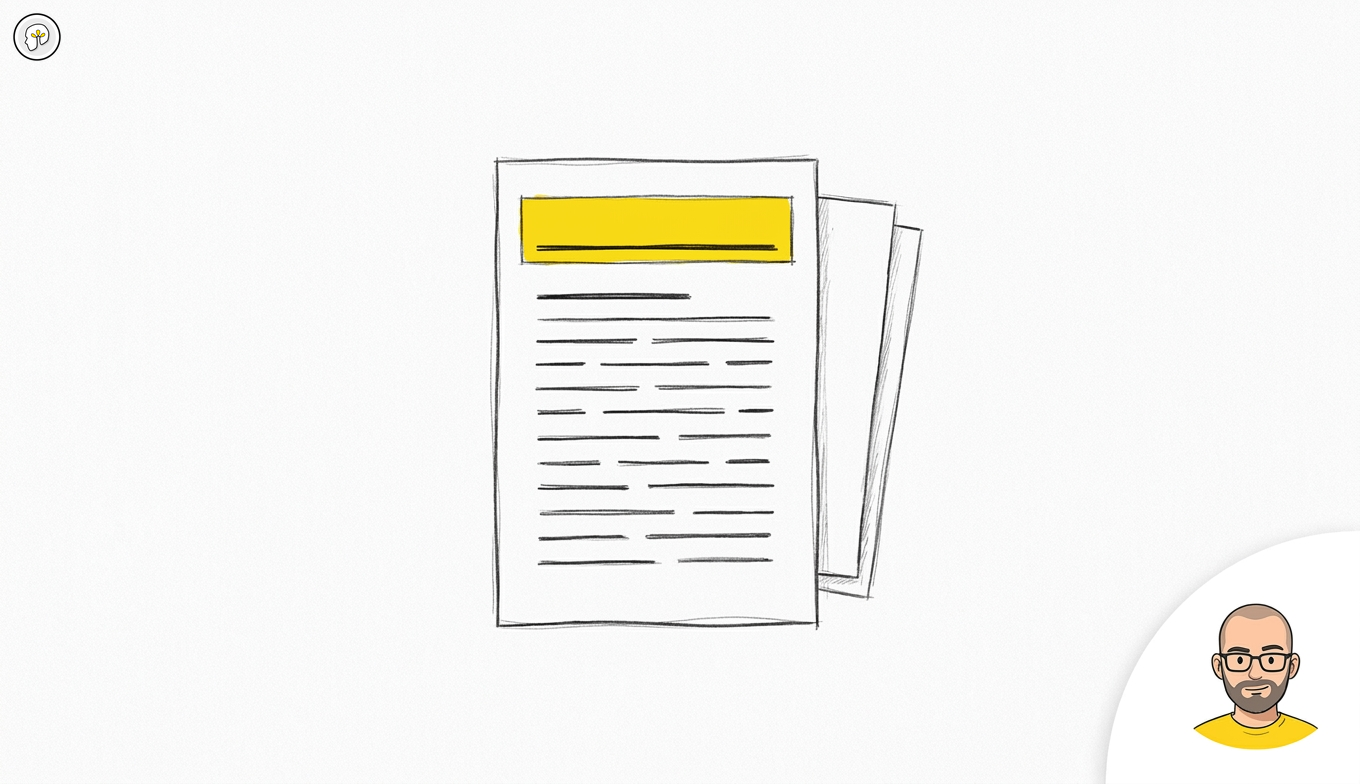
A skill looks intimidating until you see one. Then it is almost disappointingly simple: a short file with a description at the top and a set of instructions below. That is most of it. The craft is not in the format — it is in what you put in each part.
The description: the most important line
Every skill starts with a short description of what it does and when to use it. It is easy to treat this as a label and move on. Do not. The description is how Claude decides whether to reach for the skill at all.
When you have several skills, Claude reads their descriptions to work out which one fits the task in front of it. A vague description ("helps with content") gets the skill used at the wrong moments or ignored entirely. A precise one ("drafts a LinkedIn post in my voice from a rough idea; use when I want to turn a thought into a post") gets it used exactly when it should be.
Write the description as what it does plus when to use it. It is the highest-leverage sentence in the whole skill.
The body: standing instructions, not one-time steps
Below the description is the body — the actual instructions. There is one thing to understand about how this behaves, because it changes how you write it.
When a skill is triggered, its full body loads into Claude's working memory and stays there for the rest of the session. It is not re-read fresh each time you ask something; it is loaded once, when it activates, and persists.
That has a practical consequence: write the body as standing instructions, not as a one-time recipe. "Always check whether I have posted something similar." "Never send a status update without flagging open risks." Those hold up across repeated use. "First, today, let's…" reads strangely once it is sitting in context for an hour. You are writing a standing description of how the work is done, not narrating a single session.
The four things a good body carries
Inside that body, a strong skill still carries the four things from Part 1, now concretely:
Process — the steps as standing rules, in order. Context — your audience, voice, constraints, and standing facts, stated once. Tools and sources — where the material lives, so the skill pulls from it rather than guessing. The questions to ask you — the two or three clarifications it should always raise before running ahead.
Lean beats thorough
The instinct is to make a skill exhaustive — cover every case, include every reference. Resist it. Because the body occupies context once it loads, a bloated skill quietly crowds out room for the actual work.
The discipline is the opposite of thorough: keep the skill lean and standing, hold it to one job, and move bulky reference material — long checklists, big examples, reference data — into separate files the skill reaches for only when it needs them. Claude pulls those in on demand; they do not sit in context the whole time. A lean skill that points to good references beats one heavy skill trying to hold everything.
What comes next
You now know what a good skill is made of and why it is shaped the way it is. The next part is hands-on: take one recurring task and build a real skill for it, end to end.
Next in this series: Part 4 — Build your first skill